Peninsula HR

Peninsula HR and Work Health & Safety

Call now 1300 761 935

For an affordable fixed fee, you have unlimited 24/7 access to expert advice for HR and WHS challenges. We create tailored policies, contracts and documentation, provide insights on disciplinary action, performance management, redundancies and termination.

Should you face a HR or WHS claim, our exclusive financial product, Peninsula Protect, provides legal liability and defence costs of up to $400,000 per claim.

Simplify employee management and save time with our award-winning Bright HR software. While our Employee Assistance Program (EAP) offers your staff and their family a professional mental health counselling service.

Call now 1300 761 935
a woman on a customer service call

How Peninsula supports your business

Tailored services for all Australian businesses

Human Resources

We're helping 30,500 business owners just like you across Australia and New Zealand with their most difficult and time-consuming HR and employee relations challenges.

Join them and for a Fixed Fee you'll enjoy:

  • Unlimited expert advice through our 24/7 advice line. Giving you the support you need, anytime you need it
  • Employee contracts and documentation services, HR policies, employee handbooks, and more. All written by experts and tailored for your business
  • Exclusive claim protection, legal assistance and counsel for employee claims
  • Access to our award-winning HR management software BrightHR. Track your team’s hours, absence and sick leave, schedule shifts, access unlimited cloud-based document storage, and export payroll-ready data with ease
work colleagues looking at a laptop in a car parts warehouse

Health and Safety

Every Australian employer wants to create a safe workplace for all their employees to avoid staff injuries and accident claims. The Peninsula team can provide you with the information you need to create an employee-focused safe and healthy workplace.

Here's how for a Fixed Fee Peninsula makes that easier for you:

  • Unlimited expert Health and Safety advice available 24/7
  • Professional Health and Safety risk assessments to identify gaps and offer insights to create a safer work environment, so you can focus on doing what you love
  • Smart and intuitive award-winning Health and Safety software designed to help you save time and streamline incident reporting to create a safer workplace
Man and woman wearing safety gear working in a warehouse

HR and Health & Safety

The experienced team at Peninsula Australia can develop a tailored HR and Health & Safety package designed around the unique needs of your business.

This includes:

  • Assessment of employment contracts and policies, and required documentation tailored for your business and industry sector so all your needs are covered
  • Unlimited access to our 24/7 helpline for expert advice and insights to help you manage a HR or Health and Safety crisis
  • Health and Safety risk assessments to help you create a safer work environment
  • Access to award-winning employee management software, BrightHR
Call now 1300 761 935
Woman writing on a notepad in a warehouse

Helping employers like you for over 40 years

Our passion for helping thousands of small and medium sized business owners is why they choose Peninsula to provide HR and Health & Safety support. Discover what they have to say.

"Peninsula's service is of the highest level and standard. This is an amazing business and how the team support and advise members is incredible. I’m so grateful for all their help. I couldn’t do what I do as a business owner without them."

11 employees Sports & Recreation

I rock music school testimonial

Jerry Trzeciak, Director & Founder
iROCK Music School

"Not any manager can be an HR manager. Peninsula, they have a technical support team 24/7. They know the regulations, they know the updated policies and procedures. So, why not?"

20 employees Veterinary Care

Vets for pets

Mudher Alrahmani, Practice Manager
Vets for Pets

"My experience with Peninsula has been great. The documentation provided has really improved our Health and Safety systems and taken us to a higher level."

8 employees Transport and Logistics

GCA Logistics New Zealand

Olivia Allan, Business Improvement Lead
GCA Logistics Limited

"I can highly recommend working with Peninsula! They are available 24/7 for all employment and WH&S matters. Whenever I have a HR issue, I give them a quick call and get advice, making sure I deal with every matter sensitively and accurately. "

1 employees Healthcare & Medical

The Mood and Mind Centre Queensland Logo

Irene Vermooten, Director & Clinical Psychologist
The Mood and Mind Centre

"We have been a Peninsula client for over 5 years. The team is friendly, professional and helpful. As a Practice Manager you face issues that need professional advice. That's where Peninsula played a role in solving my issues. Thank you team."

9 employees Healthcare & Medical

Prohealth

Dyllis Williamson, Practice Manager
ProHealth Family Medical Centre

"We initially considered hiring another admin for our business but spoke to Peninsula. After consulting with them, we realised their comprehensive HR, H&S and legal services offered a more cost-effective and reliable solution, giving us the necessary reassurance. "

280 employees Healthcare & Medical

Vets for Pets logo

Jon Bishton, People and Culture Manager
TassieCare

Create a safer work environment for all your employees

A Peninsula WHS SafeCheck review helps identify and reduce potential risks and hazards that could cause a significant injury to your team.

Arrange your free safecheck review

FREE WHS Compliance review valued at $995

Got a question? We've got answers

Still unsure or have more questions? Contact our team today for a free consultation call.

Mechanic shaking hands with customer

Try Peninsula Australia today.

Find out what 24,000+ businesses across AU have already discovered. Get round-the-clock HR and Health & Safety support with Peninsula.

Trending Resources

Explore Popular HR and Health & Safety Insights from Peninsula Experts

Blog

Public Holidays in Queensland 2025

Throughout the year, Queenslanders get to enjoy 12 state-wide public holidays as well as some local ones like Show Days. This means many employees circle these dates on their calendar and apply for annual leave for that bit of extra time off, or a longer, long weekend. Enjoying extra sunshine in the sunshine state Public holidays can mean busy periods, extra working hours, higher wage rates, and additional employee entitlements. These will depend on your business and industry. There are also certain holidays that affect all Aussie businesses. If you are a business owner or employer in Queensland, and you’re unsure of your public holiday obligations or employee wage rates, call and speak to a specialist adviser at Peninsula. List of Public Holidays in Queensland (QLD) for 2025 Holiday Date in 2025 New Year’s Day Wednesday 1 January Australia Day Monday 27 January Good Friday Friday 18 April Easter Saturday Saturday 19 April Easter Sunday Sunday 20 April Easter Monday Monday 21 April ANZAC Day Friday 25 April Labour Day Monday 5 May Royal Queensland Show (Brisbane area only) Wednesday 13 August King’s Birthday Monday 6 October Christmas Eve (6 pm to Midnight) Wednesday 24 December Christmas Day Thursday 25 December Boxing Day Friday 26 December Since Australia Day falls on Sunday 26 January, it will be observed on Monday 27 January in 2025. Easter Sunday is a public holiday in Queensland, Labour Day is celebrated as a public holiday and observed on the first Monday in May. The King’s Birthday is also a public holiday in Queensland and observed on the first Monday in October. Show holidays in Queensland in 2025 In areas throughout Queensland, annual agricultural, horticultural or industrial show days are considered public holidays. Special events or commemorative days in certain areas of QLD are considered special holidays. They are known as ‘Bank Holidays.’ Employee entitlements on public holidays in Queensland Public holidays, including local public days, will affect workplace entitlements. In most cases, where an employee is off work on a public holiday and that day is their regular working day, employees would still be entitled to payment on a public holiday. When an employee works on a day that is a gazetted public holiday, they are entitled to extra payment. This is usually in the form of an additional penalty or loading. Staff must choose to work freely and cannot be coerced, harassed, threatened, or intimidated to work on a restricted trading day. If a staff member previously agreed to work and they no longer wish to work on a restricted trading day they cannot be forced to attend work. Shutdowns and leave entitlements You can direct your award or enterprise agreement covered employees in Queensland (QLD) to use their annual leave over a shutdown period if the enterprise agreement or award allows it. If the award or enterprise agreement does not contain any rules about shutdowns, you cannot direct the employees to use their annual leave during the shutdown period unless the employee agrees to do so. Trading on public holidays in Queensland Independent retail shops can open at any time, including on most public holidays. There are exceptions when they must remain closed, including: Good Friday and Christmas Day Until 1:00 pm on ANZAC Day (25 April each year) These restrictions do not apply to an independent retail shop which is predominantly a food and/or grocery shop. Public Holidays in Queensland which are not closed days: New Year’s Day (1 January) Australia Day (26 January) The day after Good Friday (date varies) Easter Sunday Easter Monday King’s Birthday Local shows Christmas Eve (6 pm to midnight) Boxing Day The Holidays Act 1983 allows for additional or substitute public holidays on the following Monday or Tuesday when certain public holidays fall on a weekend: New Year’s Day Australia Day ANZAC Day (only if it falls on a Sunday) Christmas Day Boxing Day Exemptions to restricted trading days in Queensland Exempt shops are defined in the QLD legislation in the Trading (Allowable Hours) Act 1990 and include some types of shops such as: Confectionery shops or ice-cream parlours. Bread, cake or pastry shop. Butcher shop. Flower shop. Fruit and vegetable shop. Chemist. Service station. Bookseller or newsagent. There is a longer list of shops that are exempt and can be found on the Queensland Government website. Enjoying some extra holiday time The holiday season, public holidays, and long weekends enable you to enjoy good food and fun times with family and friends. If you’re a business owner or employer in Queensland, you need to know all the public holidays and appropriate employee entitlements to ensure you meet your legal obligations. Peninsula is committed to providing answers to your public holiday questions. Call our team for free initial advice.

Blog

Long Service Leave Entitlements in NSW

For most Australian employees, if they have been working for the same employer for an extended period of time, they are entitled to additional paid leave called long service leave. This entitlement is generally different for each state and territory. Here we look at long service leave for New South Wales. Long service leave entitlements Under the National Employment Standards (NES) contained in the Fair Work Act 2009, employees who have worked continuously in a business for a long period of time may be entitled to long service leave. This may be as a result of their applicable pre-modern award or workplace agreement, though generally the entitlement to long service leave is derived from the relevant state or territory long service leave legislation. However, the State and Territory Long Service Leave laws won’t apply to national system employees where there are long service leave entitlements in a federal pre-modern award that would have applied to an employee before 1 January 2010. In this case, the entitlements in the pre-modern award will apply. As this is a complex area, you should seek professional advice on long service leave entitlements for your employees. Long Service Leave Act 1955 Employees in New South Wales not covered by another long service leave scheme are covered by the Long Service Leave Act 1955 (the Act). The legislation sets leave entitlements including: How long an employee has to have worked continuously to receive long service leave. How much long service leave the employee receives once they have worked the initial period to qualify. How and when leave is paid. Under the Act, employees are entitled to two months (8.6667 weeks) of long service leave after at least 10 years of continuous service with an employer. In addition, for every five years of service after the initial 10, employees are entitled to a further month of long service leave. This month is defined to be just over four weeks in length (or more specifically, four and a third weeks). An employee may be entitled to pro-rata long service leave if the employment ends earlier, depending on the rules in the long service leave scheme, and the specific circumstances. Pro-rata leave An employee who has completed at least 5 years of continuous service, but less than 10 years, will be entitled to pro-rata long service leave in certain circumstances (unless terminated for serious misconduct). If the employment ends before 5 years, there is no entitlement to long service leave. Special conditions may apply to workers in the building and construction industry and employees of cleaning contractors. If an employee resigns after five years’ service because of illness, incapacity or domestic or other pressing necessity, or the employee passes away, they will also be entitled to pro-rata long service leave. Long service leave eligibility Full time, part time, and casual employees are entitled to long service leave, provided they have completed the required amount of continuous service. Service will be considered to be continuous despite employer authorised absences, due to illness or injury, for example. However, some authorised absences may not count for leave accrual, such as parental leave. Portable long service leave Some Australian States and Territories have legislation to provide employees in the security, community services, building and construction, black coal mining, and contract cleaning industries with access to portable long service leave. In NSW, portable long service leave is available for employees (including apprentices, full-time, trainees and casuals) who work in the building and construction and contract cleaning industries. These employees are covered by separate legislation to the Long Service Leave Act 1955. Employers in these industries must register with the Long Service Leave Corporation (the relevant authority). Paying long service leave When the employee takes long service leave, an employer must pay long service leave in any way and at any time that is mutually agreed before starting leave. If there is no agreement the employer must pay the employee either in full, when the employee starts long service leave; or pay the employee at the same time, and in the same manner, as if the employee had not taken leave. Full-time and part-time employees Long service leave is paid at the ordinary rate of pay of the employee for their normal weekly hours. Ordinary rate of pay means the greater of: the amount of the ordinary remuneration as at the time they take leave; or the average weekly remuneration they earned in the previous 5 years. This may include bonuses and incentive payments but not penalty and overtime rates, or expense-related allowances. Casual employees Where the employee doesn’t have a fixed weekly amount of pay (e.g. commission-based employees) or where the employee does not have a fixed number of ordinary hours per week (e.g. a casual employee), their ordinary rate of pay is deemed to the greater of: The average weekly earnings over the previous 12 months. Their average weekly earnings over the previous 5 years. Penalty rates, overtime payments and expense-related allowances are not included, but bonuses and incentive payments may be, depending on the circumstances. Long service leave on termination Once an employee has been employed continuously for at least 10 years, and has become entitled to long service leave, if their employment subsequently ends, they must be paid out any long service leave owing. This will apply if they resign, are terminated for any reason, including if they are made redundant, and even in the case of dismissal for serious misconduct. If the employee has been employed for at least 5 years but less than 10 they may be entitled to be paid a pro-rata amount of their long service leave, depending on the circumstances of the termination. However, they will not be entitled to pro-rata long service leave if terminated for serious misconduct. The Long Service Leave Act 1955 outlines employers must keep records regarding long service leave for a period of at least 6 years after an employee’s employment ends. For more information on long service leave, contact Peninsula for free initial advice. Please note these laws won’t apply to national system employees employed before 01 January 2010 where there are long service leave entitlements in a federal pre-modern award that would have covered an employer and their employees at that time, in which case those entitlements in the pre-modern award will apply. As this is a complex area, if your business existed before 01 January 2010, you should seek professional advice on your employees’ long service leave entitlements.

Guide

Notice not worked

Dealing with staff involves dealing with leave requests, managing performance, and handling resignations and terminations. Sometimes an employee will resign and request to not work out their notice period. They may demand payment in lieu of notice. This can be frustrating if you are an employer and must fill an important position quickly. In this guide, we explain the basics of notice periods, your obligations when an employee doesn’t wish to work out their notice period, and ways Peninsula can help your business. Notice period When an employee resigns, they may have to give written notice via a letter (or email) to their employer. Although award and agreement-free employees don’t have to give notice when they resign, generally the employee’s employment contract, if not the applicable award or registered agreement, will set out the amount of notice an employee has to give when the employee resigns. The notice period: Starts the day after the employee gives notice that they want to end their employment. Ends on the last day of employment. Typically, a notice period can be between one week to one month. Some companies have longer notice periods for senior employees or management. Employees who have been hired on a casual basis aren’t required to provide notice. In certain circumstances, casual employees may be required to provide notice, depending on the employment agreement or registered agreement in question. Notice periods and deductions An employee’s award, employment contract, enterprise agreement, or other registered agreement sets out: How much notice (if any) the employee must give when they resign. When an employer can withhold money if the employee does not give the minimum notice period. Taking money out of an employee’s pay before it is paid to them is called a deduction. An employer can only deduct money if: The employee agrees in writing and it’s principally for their benefit. It’s allowed by a law, a court order, or by the Fair Work Commission. It’s allowed under the employee’s award. It’s allowed under the employee’s registered agreement, and the employee agrees to it. It’s important for employers to note deductions outside of these causes run the risk of breaching Wage Theft Provisions which came into effect on 1 January 2025. Many Awards say that in certain circumstances an employer can deduct up to one week’s wages from an employee’s pay if they do not provide the minimum amount of notice. Where an award allows this, an employer can only deduct pay from an employee’s wages under the award, not from other entitlements. Even if the deduction is made in accordance with an award, registered agreement, or contract, an employer can’t deduct if: It benefits the employer, not the employee, and the deduction would be unreasonable in the circumstances. The employee is under 18 years of age, and their parent or guardian hasn’t agreed in writing. Generally, the employee will work the notice period. However, sometimes the employer will not require the employee to work the notice period, in which case the employer and employee may agree that the employer can make payment in lieu of notice. If the employee does not work the notice period when the employment ends, this is notice-not-worked. Waiving notice periods If you do think it is in your best interest to waive the notice period, you can discuss this arrangement with your employee. You can end their contract immediately. You can also put the employee on garden leave if they have access to confidential information and resources. Remember that when an employee resigns, they want to leave as soon as possible. By compromising and negotiating, you are creating a comfortable situation for everyone involved. Payment in lieu of notice When the employer terminates the employee, the employer often does not require the employee to work the notice period, but the employee is still entitled to be paid for that period. In this case, the employer pays the employee in lieu as if they had worked the notice period. Besides other obligations, when terminating an employee’s employment, an employer is required to give the employee written notice of their last day of work. How far in advance they need to do this will depend on how long the employee has been employed. How much notice should employees give employers of resignation? Under the National Employment Standards (NES) employees are not required to give notice of their employment ending. Typically, a full-time or part-time employee’s award, registered agreement, or employment contract will set out how much notice (if any) an employee must give when they resign. But this depends on the contract, award, or agreement terms and type of employment. A casual employee is not required to give notice upon resignation. Likewise, the employer does not have to give a casual employee notice when terminating their employment either due it’s ad hoc nature, though you should tell the employee why you are ending their employment, and there will be a requirement to consult with the employee prior to terminating them under the applicable award or registered agreement. Once you receive notice of resignation from an employee, you can either: Let the employee work out the notice period. Have the employee finish up early and pay them in lieu of notice. A combination of both, where an employee works a portion of their notice and the employer pays the rest of the notice period out. If you pay out any part of the notice period, you must pay the employee the exact same amount they would have received if they worked it. Notice of termination to employee When you end an employee’s employment in most cases you have to give the employee the minimum notice period in writing or pay in lieu of notice. You do not have to give notice to casuals, seasonal workers, fixed-term workers on the expiry of the contract term, daily hire workers in the building construction or meat industries, or employees fired for serious misconduct. The amount of notice you have to give depends on the employee’s number of years of continuous service within the business. Fair work notice periods are listed as: Period of continuous service Minimum notice period 1 year or less 1 week More than 1 year - 3 years 2 weeks More than 3 years - 5 years 3 weeks More than 5 years 4 weeks Employees over 45 years of age with at least two years of continuous service are entitled to an extra week of notice of termination. When you terminate an employee’s employment, you must give the employee an employment termination letter. The letter should clearly state the reason for the termination, the date of the employee’s last day of work, and the fixed amount of entitlements and unpaid wages the employee will receive. Final payment notice When an employee’s employment ends you have to provide a final payment notice – in writing – which sets out the wages and entitlements due to the employee. It is your responsibility to ensure the last pay slip is delivered on time and correctly calculated. To calculate an employee’s final pay, refer to the applicable modern award, registered agreement, or employment contract to find out what entitlements you owe. While each contract is unique, you will most likely need to calculate one or more of the following entitlements: Unpaid wages (including penalty and overtime rates). Expense claims. Accrued annual leave entitlements. Payments in lieu of notice. Allowances. Check the terms of the employee’s Modern Award, registered Agreement, or employment contract to find out the final pay due date. If none of the documents say so, you can process the final pay on their next scheduled payday within seven days of their employment ending. Manage notice periods and resignations Peninsula has worked with thousands of businesses in Australia and supported them in matters of notice periods, resignations, and dismissals. Call our free initial advice line on 1300761935 today. This article is for general information purposes only and does not constitute as business or legal advice and should not be relied upon as such. It does not take into consideration your specific business, industry or circumstances. You should seek legal or other professional advice regarding matters as they relate to you or your business. To the maximum extent permitted by law, Peninsula Group disclaim all liability for any errors or omissions contained in this information or any failure to update or correct this information. It is your responsibility to assess and verify the accuracy, completeness, and reliability of the information in this article.


Bright HR logo

Time-saving HR Software

Streamline your workload with Australia's award-winning online Health & Safety and HR software. Designed with heaps of clever tools and features to free up your time - it's all part of your Peninsula service.

Call now 1300 761 935
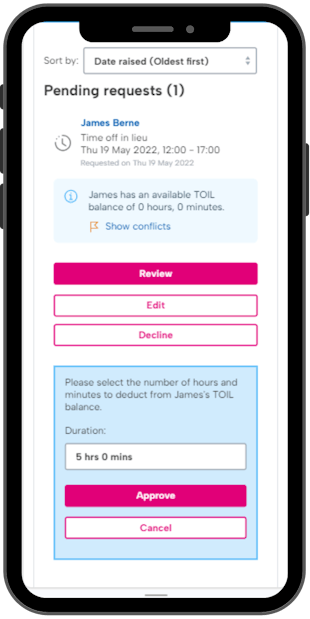
Manage staff absences in the BrightHR app
Slide Icon
Manage staff absence online

Accept, reject, and track holiday requests in a click.

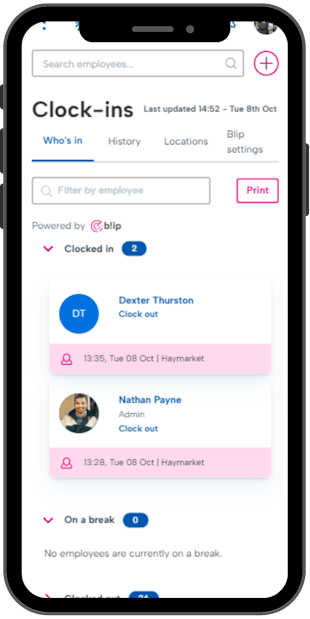
Track your team's hours
Slide Icon
Track your team's hours

Be across clicking in, overtime and expenses.

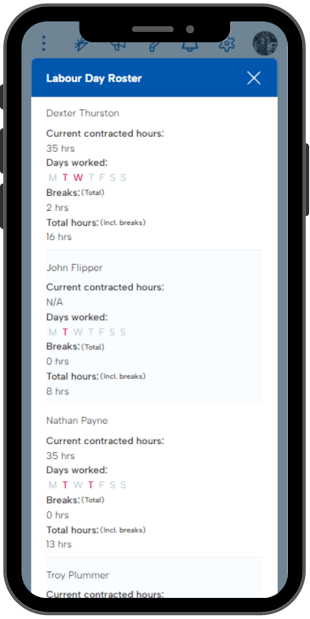
Track and schedule employee shifts
Slide Icon
Schedule shifts with ease

Create, update, and share staff schedules, rosters and updates in seconds.

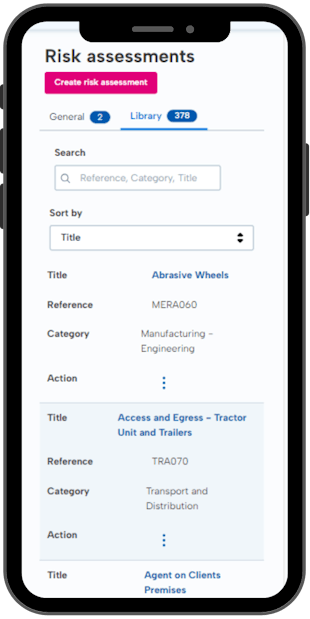
Risk assessments and safety support
Slide Icon
Health and safety support

Designed with heaps of clever tools and features to free up your time.

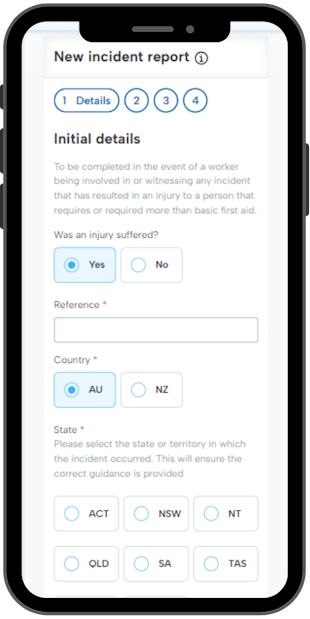
Track and submit workplace incident reports
Slide Icon
Protect your business

BrightHR offers risk management and incident reporting solutions.